Can Horses Get Travel Sick?
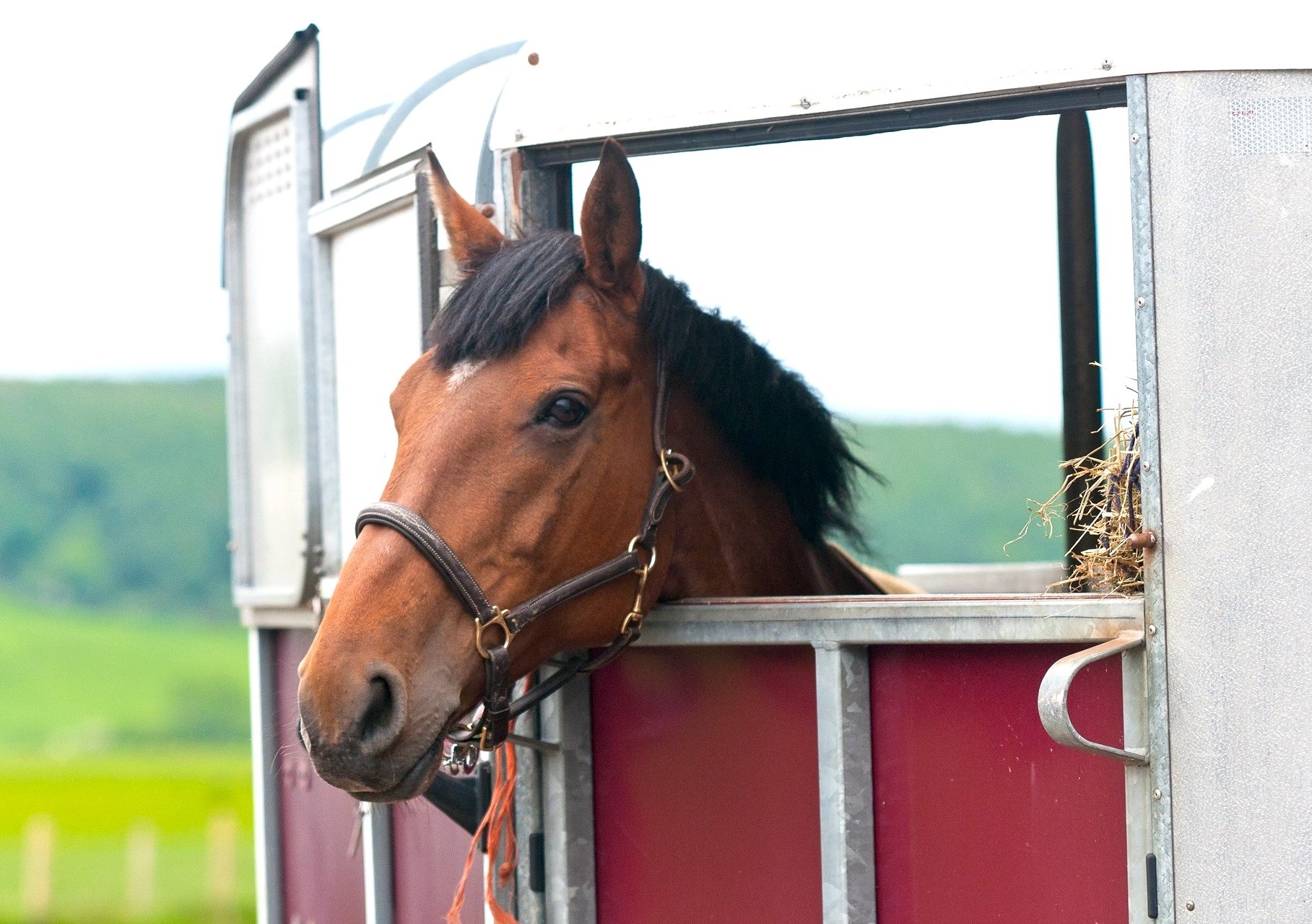
We know transport is stressful for animals. But could some horses actually experience motion sickness?
Research into road and sea transport suggests that vehicle movement can trigger motion-sickness-type responses alongside measurable stress changes in livestock, including horses.
In horses, this may include:
• Licking and chewing
• Frequent defecation
• Raised heart rate
• Teeth grinding
• Pawing and repeated weight shifting
• Restlessness
• Sweating
• Frequent yawning
• In some cases, colic
Many horses show some of these signs during travel and sadly they are often ignored, or the horse is considered to be ‘excited’, or even naughty. So have we normalised behaviours that might actually reflect nausea or motion sickness?
Unlike many other animals, horses cannot vomit – which is a classic sign of motion sickness – so we need to consider that gastrointestinal discomfort may present in other ways.
One explanation for these motion sickness-type signs is balance disruption. When a horse is transported either by road, sea or air, the vehicle will continually move beneath their feet. Acceleration, braking, cornering, vibration, and wave motion all challenge their posture and stability.
Research observations suggest that animals showing motion sickness-type signs were also working hard to maintain balance. Horses respond by splaying their legs, bracing, raising and moving their head and neck, and constantly shifting weight to remain upright. They need space to do this. However, many horses travel in spaces so restricted that they cannot properly widen their stance or use their head and neck to stabilise themselves.
If your horse arrives at their destination sweaty, tense, repeatedly passing droppings, or unsettled, that may not be ‘just travelling.’ Constantly working to stabilise their body can be physically exhausting. Stress responses elevate heart rate. Gastrointestinal disturbance may increase colic risk.
Transport is not only about getting from A to B safely. It is also about what the journey feels like for the horse. Small changes in how we transport horses can make a significant difference to how they feel about travelling. The experience matters just as much as the destination.